A dungeon. A world. Three games. The dungeon remembers who passed through.
The World
Fragment I — The First Seal
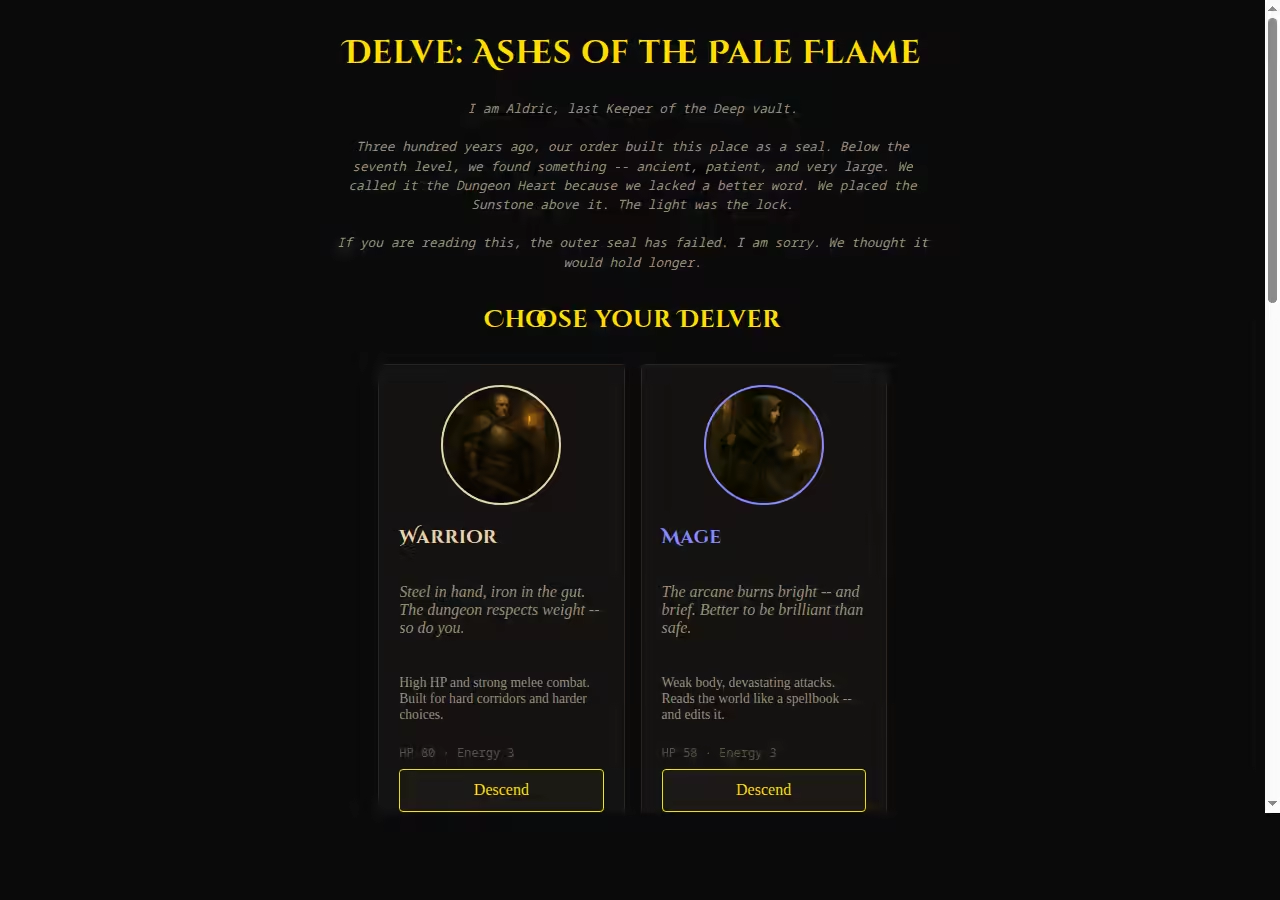
I am Aldric, last Keeper of the Deep vault. Three hundred years ago, our order built this place as a seal. Below the seventh level, we found something — ancient, patient, and very large. We called it the Dungeon Heart because we lacked a better word. We placed the Sunstone above it. The light was the lock. If you are reading this, the outer seal has failed. I am sorry. We thought it would hold longer. If you have come for treasure, there is none. If you have come for the Sunstone, read what follows.
— Aldric, formerly a surveyor
Somewhere below the Sill — the last threshold before the dark — the Warren opens into the Ruins, the Ruins into the Crypt, and the Crypt into something older than either. Four factions move through this space: the Order of the Pale Flame, who built the original seal; the Thornwatch, who patrol what the Order abandoned; the Duskwalkers, who trade in things best left buried; and the Sunken Council, whose ledgers account for everything.
Three games share this world. Each approaches it from a different angle — as a delver in the dungeon, as a card player fighting through three acts, and as a keeper running the town above. Lore, classes, and faction beats are shared across all three; the gameplay is not.
For the full myth, factions, bosses, and bestiary — see the Compendium.
Design
Simple first
Every system must earn its place. A tight, well-tuned small game beats a sprawling, half-finished one.
Permadeath with memory
Death is permanent, but it leaves a mark. Gravestones from previous runs appear in new dungeons. The world remembers.
Classic feel, web delivery
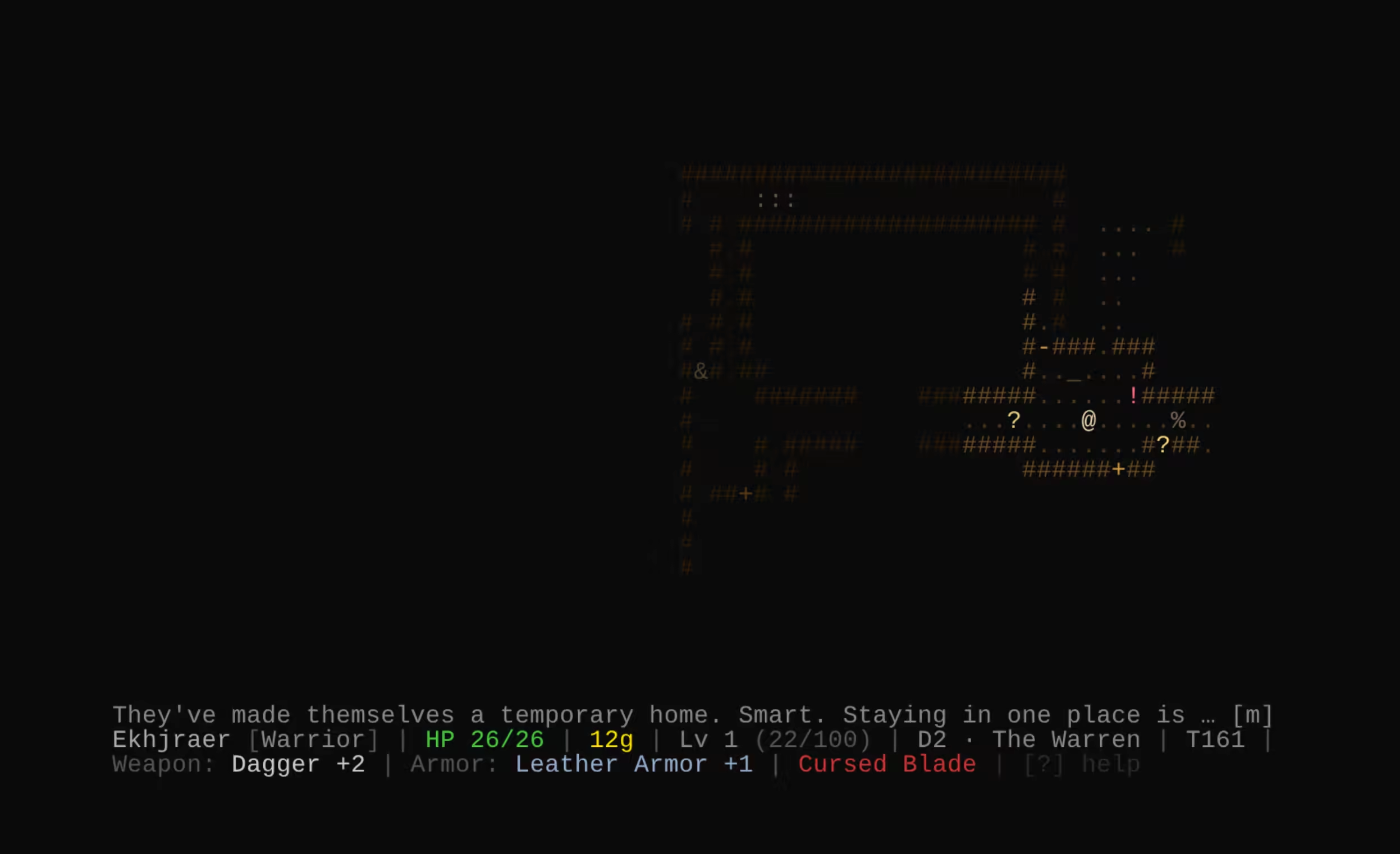
ASCII rendering via rot.js, keyboard-driven, turn-based. No click-to-move, no auto-attack. Play it like it's 1980 but in a browser tab.
Fair RNG
Random generation can't create unwinnable situations. Deaths should feel deserved — even when you blame the game.
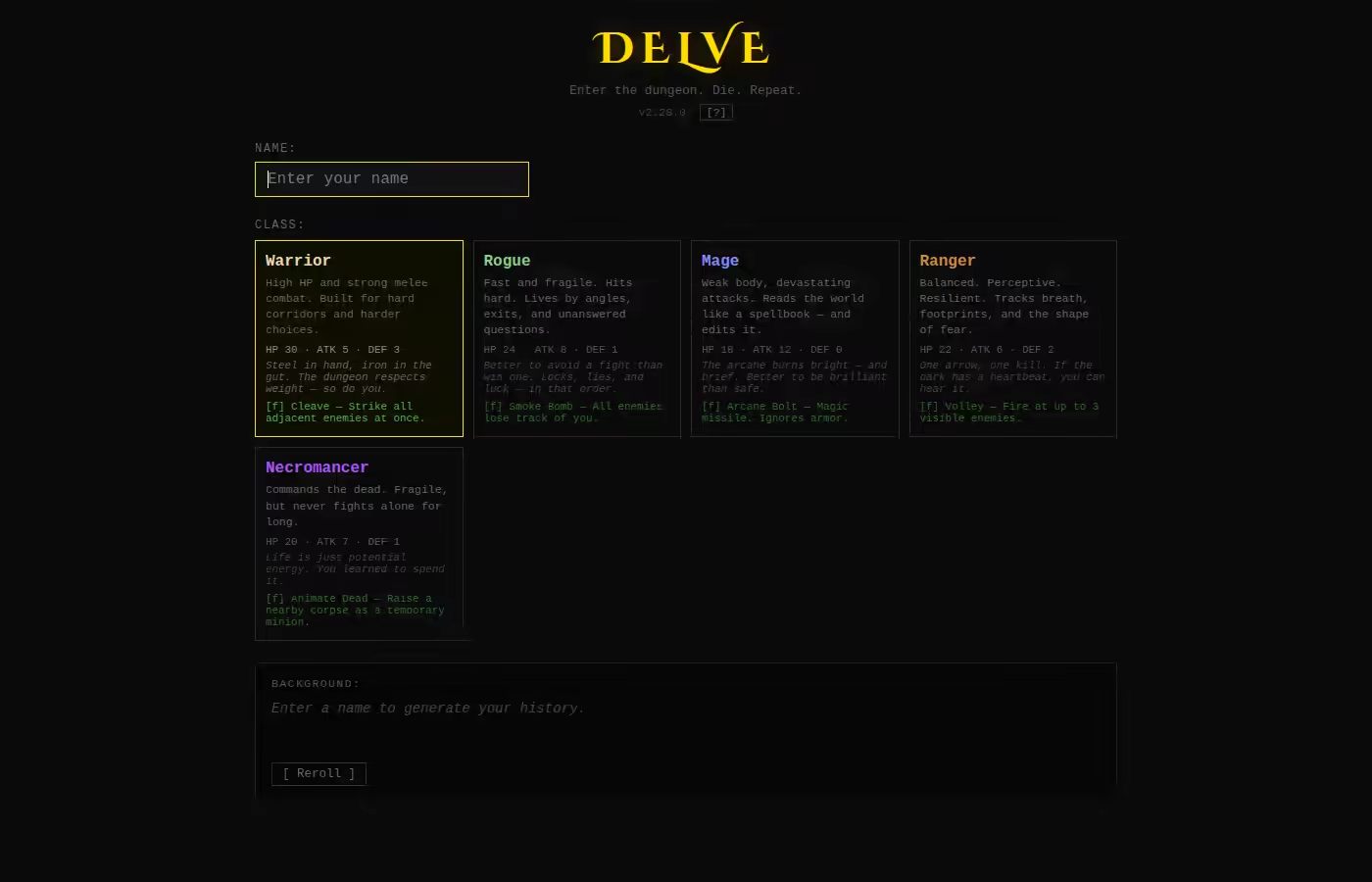
Classes
Warrior
Steel in hand, iron in the gut. The dungeon respects weight — so do you.
HP 26
ATK 5
DEF 3
Cleave — Strike all adjacent enemies at once.
Rogue
Better to avoid a fight than win one. Locks, lies, and luck — in that order.
HP 20
ATK 8
DEF 1
Smoke Bomb — All enemies lose track of you.
Mage
The arcane burns bright — and brief. Better to be brilliant than safe.
HP 18
ATK 12
DEF 0
Arcane Bolt — Magic missile. Ignores armor.
Ranger
One arrow, one kill. If the dark has a heartbeat, you can hear it.
HP 22
ATK 6
DEF 2
Volley — Fire at up to 3 visible enemies.
Necromancer
Life is just potential energy. You learned to spend it.
HP 19
ATK 7
DEF 1
Animate Dead — Raise a nearby corpse as a temporary minion.
Paladin
Faith is armor. The dungeon does not care — but you do.
HP 24
ATK 5
DEF 3
Holy Light — Restore 10 HP and cure your worst status effect.
Bard
Every dungeon has a song. You just change the tempo.
HP 20
ATK 6
DEF 1
Discordant Song — Confuse all aware enemies within radius 6 for 5 turns.
Run modifiers
Each run is assigned a random modifier — a rule change that warps the dungeon in interesting (and often lethal) ways. Curses make things harder. Blessings help. Mixed do both.
Forsakencurse
The merchant turns away.
No shop between floors.
Glass Cannonmixed
Fragile but lethal.
Max HP halved. Base ATK +4.
Bloodthirstmixed
Steel is your medicine.
Kills restore 3 HP. Healing potions have no effect.
Hauntedcurse
Something follows you down.
+3 enemies spawn per floor.
Blessedblessing
Fortune smiles upon you.
Start with 75 gold and 2 extra healing potions.
Swiftnessblessing
You move like smoke.
Ability cooldown is halved.
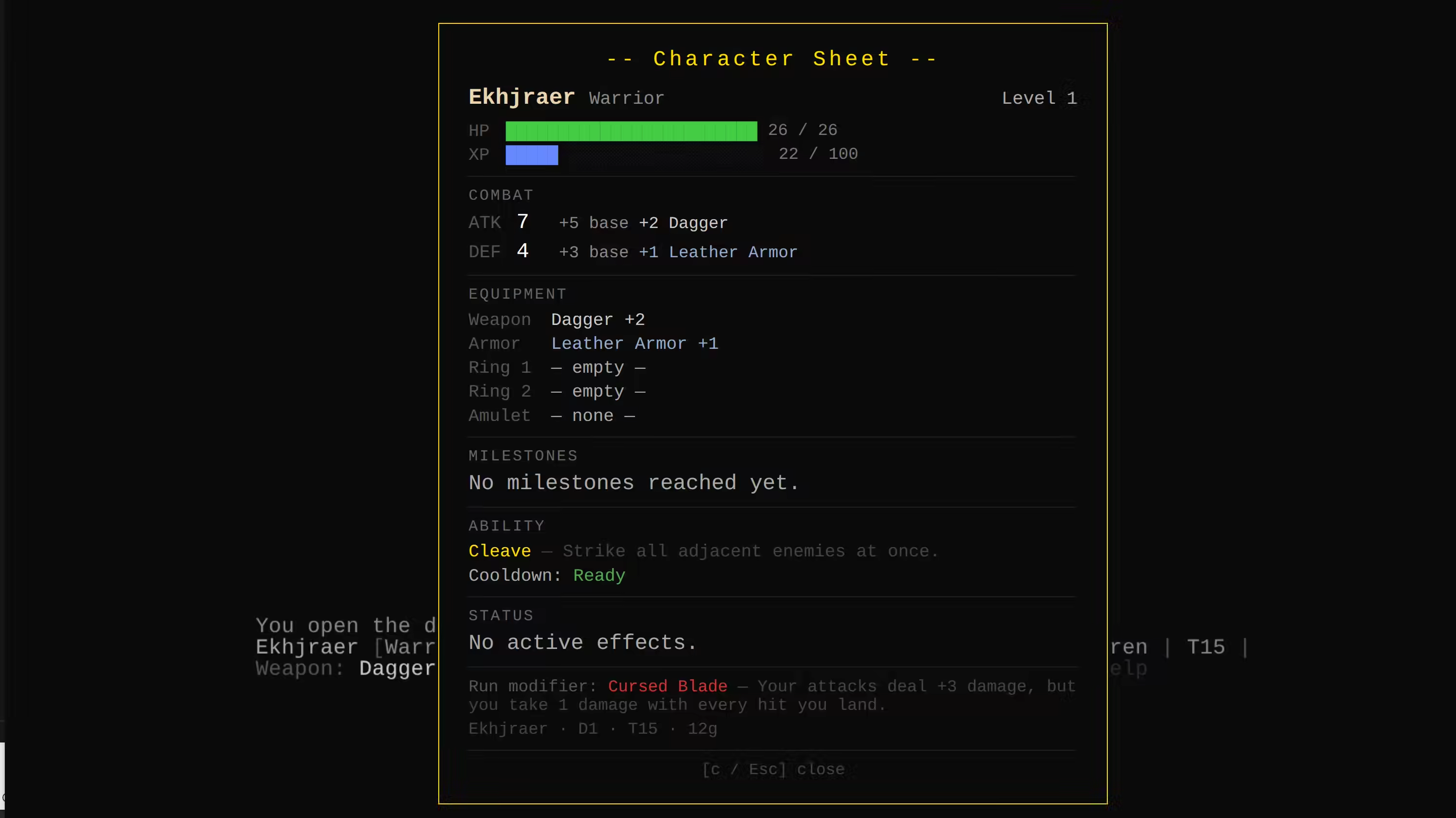
Cursed Bladecurse
The weapon cuts both ways.
Your attacks deal +3 damage, but you take 1 damage with every hit you land.
Pacifistcurse
Every kill weighs heavy.
Earn no XP from combat. XP only from shrines, libraries, and potions of experience.
Nemesiscurse
Something down here holds a grudge.
One enemy type is death-marked: +40% HP and +2 ATK.
Fading Memorycurse
The dungeon forgets you. So do you.
Explored tiles you have not seen in 60 turns fade back into darkness.
Cartographerblessing
The map writes itself.
Every floor begins fully explored. Enemies remain hidden until spotted.
Bloodpricecurse
The merchant demands a different coin.
The shop accepts only HP, not gold. Every purchase costs life.
Found in the dungeon
Descent
"To whoever reads this: the gold is not worth it. Nothing down here is worth it. I am writing this anyway because I cannot stop descending."
A Warning, Revised
"TURN BACK" is written once. "GO DEEPER" is written below it in different handwriting.
Last Entry
"Last entry. Found the source of the cold draft. I wish I had not."
Field Note
"If a room looks too neat, assume it's been recently used. If it looks too messy, assume it's hungry."
Theorem
"Theorem: the dungeon is not a place. It is an accumulation. Every adventurer who died here added something to it."
Mira Voss
"My name is Mira Voss. I reached level eight. If you find this, it means I did not come back. The wraiths cannot be killed, only avoided."
Delve — the Roguelike
The original. ASCII rendering, turn-based, permadeath. Descend 10 floors, retrieve the Sunstone, don't die. You will die. Gravestones from past runs appear in new dungeons — the world remembers who passed through.
7 classes
Warrior, Rogue, Mage, Ranger, Necromancer, Paladin, Bard — each with a distinct ability, passive, and combat role.
19 modifiers
Curses, blessings, and mixed modifiers assigned each run. Glass Cannon, Forsaken, Bloodprice, Cartographer. No two runs play the same.
Persistent world
Deaths leave gravestones. Future runs find them. The dungeon accumulates history — every death adds something to it.
Daily Challenge
Shared-seed run — same dungeon layout for every player that day. Compare runs without spoiling the seed.
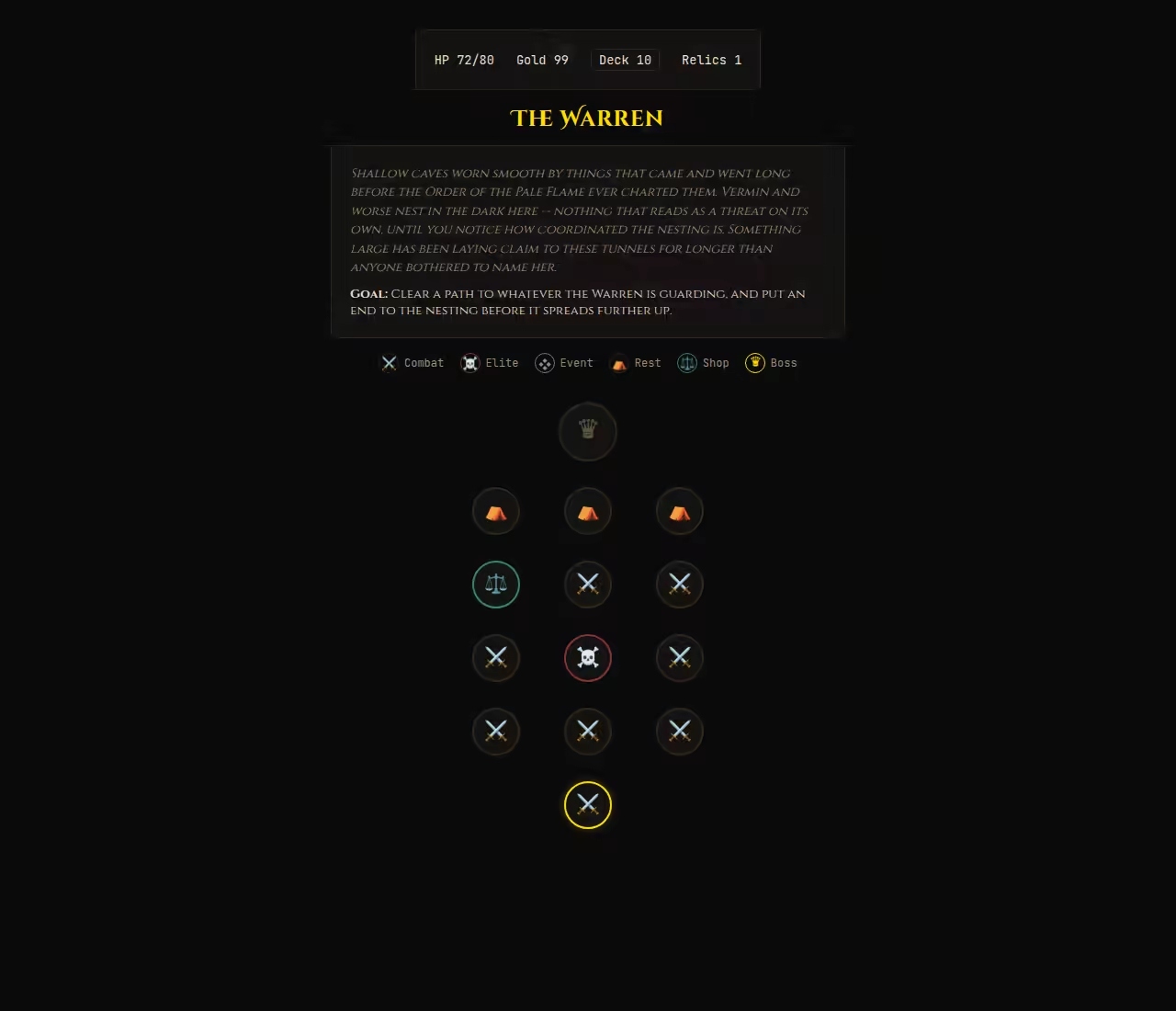
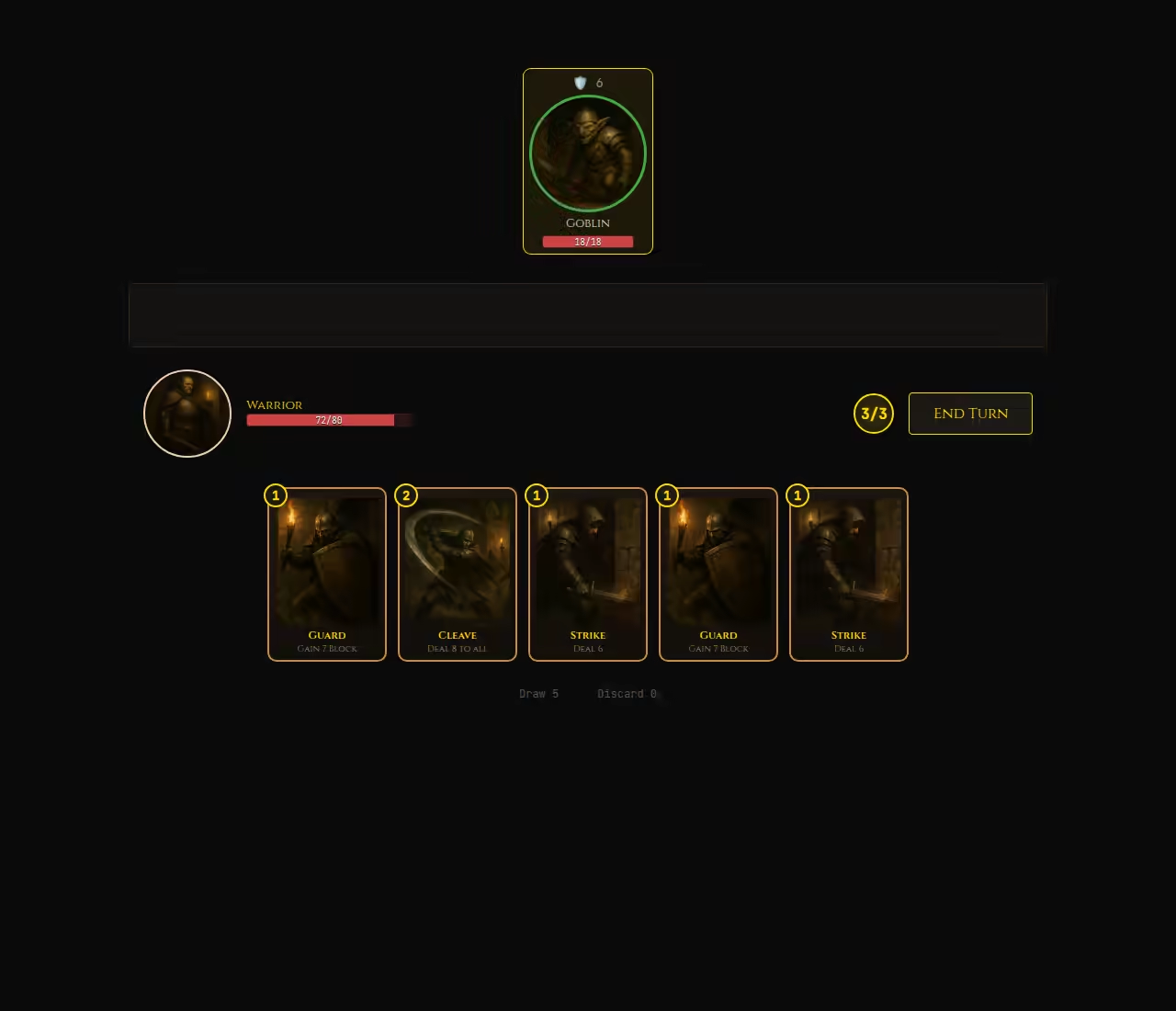
A Slay-the-Spire-style deckbuilder set in this world — same lore, same monsters, different combat. Build a deck, descend three acts, fight the Pale King.
7 classes
Each class has a starter deck reflecting their roguelike role. Warrior builds block, Mage spikes damage, Necromancer poisons and outlasts.
3 acts
Branching node map — Combat, Elite, Event, Rest, Shop, Boss. The Warren → The Ruins → The Crypt. Each act boss carries your deck forward.
No backend
Run state lives in localStorage, signed with a SHA-256 hash on every write. Hand-edited saves are rejected, not silently applied.
Shared world
Same palette, same lore fragments, same bestiary. Aldric's chronicle opens the game. The dungeon heart it describes is still down there.
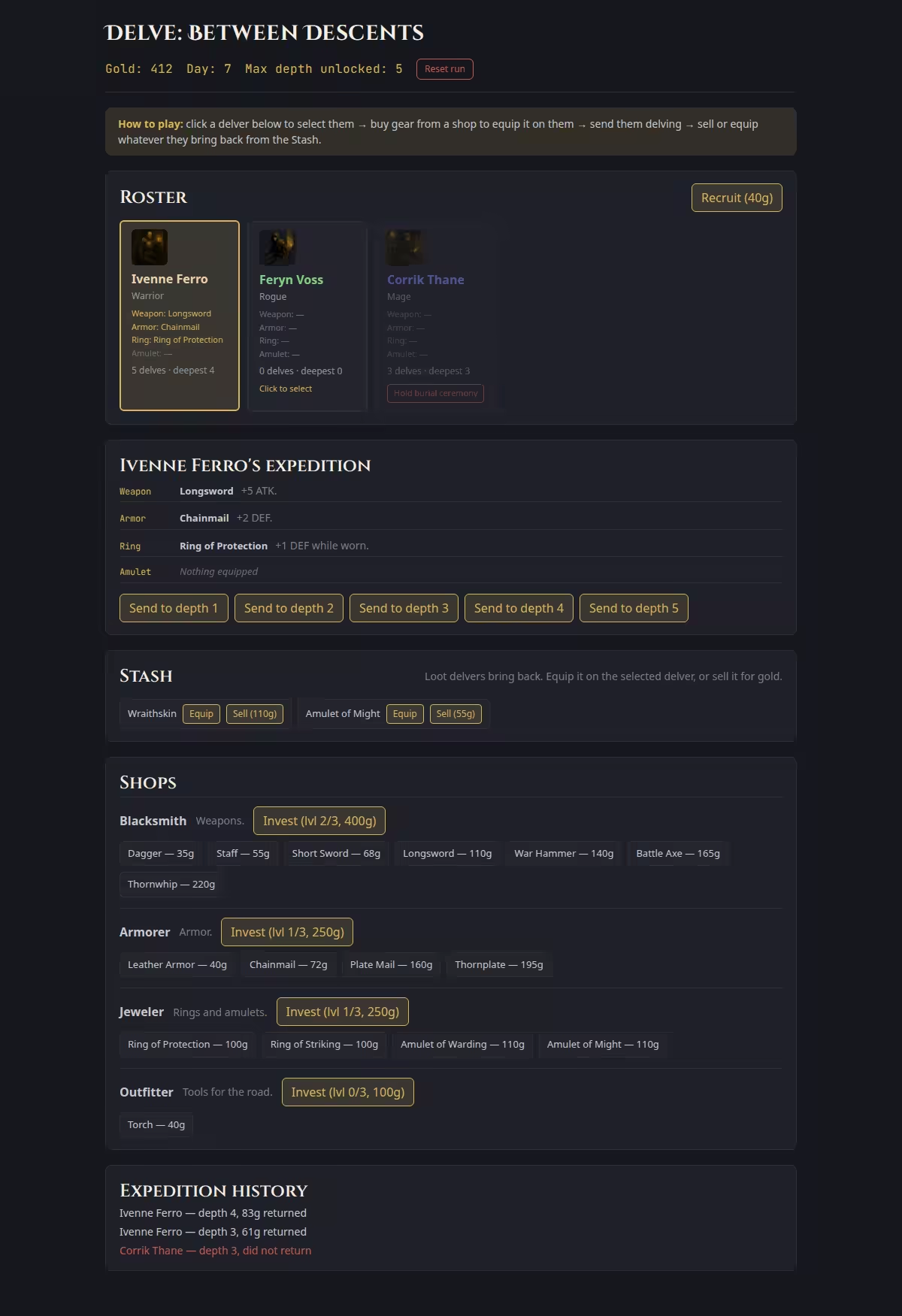
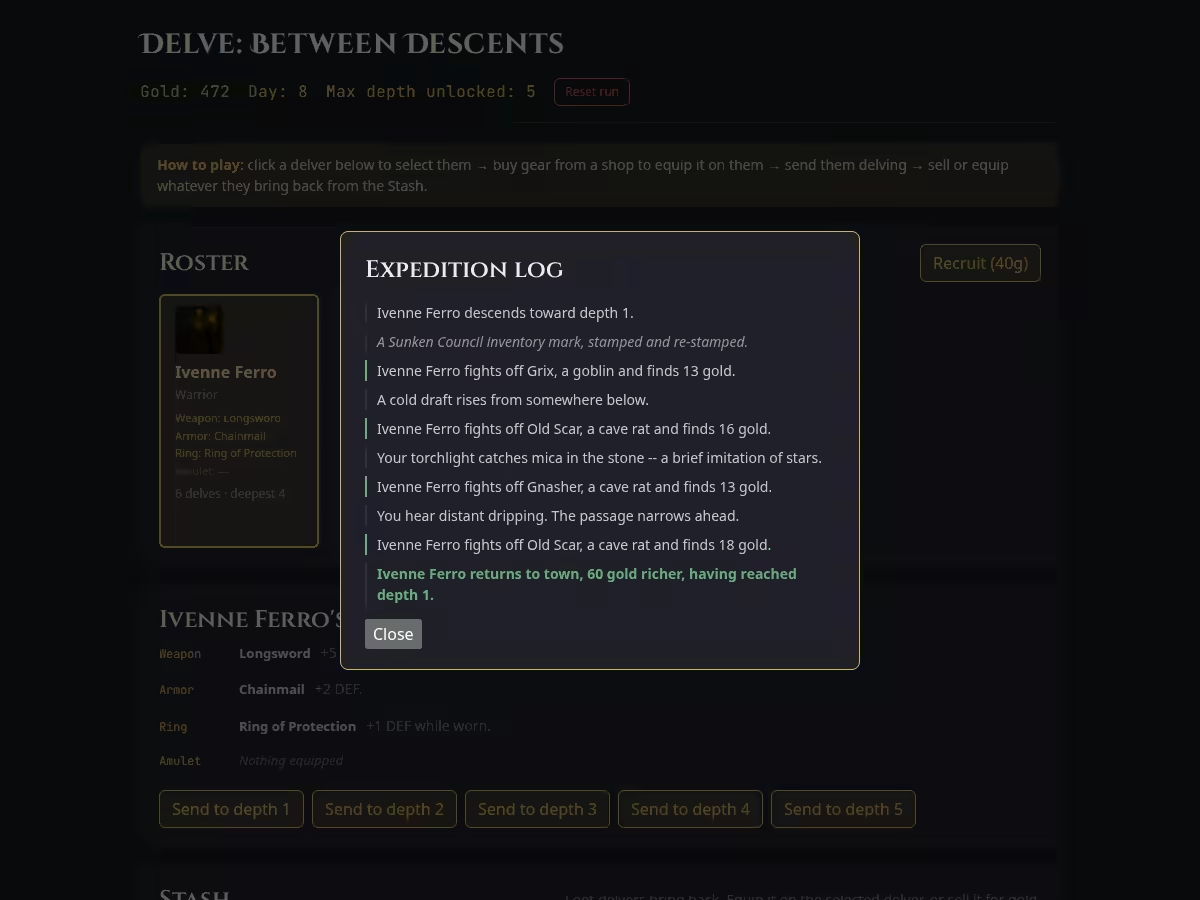
A town management sim set above the Warren. You never go down. You run the town that outfits the people who do — recruit delvers, equip them from four shops, choose a depth, send them in, and see what comes back. Now with competitive multiplayer: share a link, fight the same seeded dungeon, see whose town outlasts the other.
Town loop
Recruit from 7 classes. Equip from four shops. Loot lands in a shared Stash — equip it on anyone or sell it back. Invest in shops to unlock deeper stock.
Checkpoints
Deeper expeditions pause mid-delve. Your delver returns with their log and gold so far — press on for more, or bank it and come home. Death ends immediately.
Competitive mode
Share a game link — your opponent joins and both of you fight the same procedurally-generated dungeon, seeded from the game ID. Server-side RNG ensures identical floors regardless of play order. A live Rival Town panel tracks their roster; a WebSocket stream delivers updates and catch-up replays on reconnect.
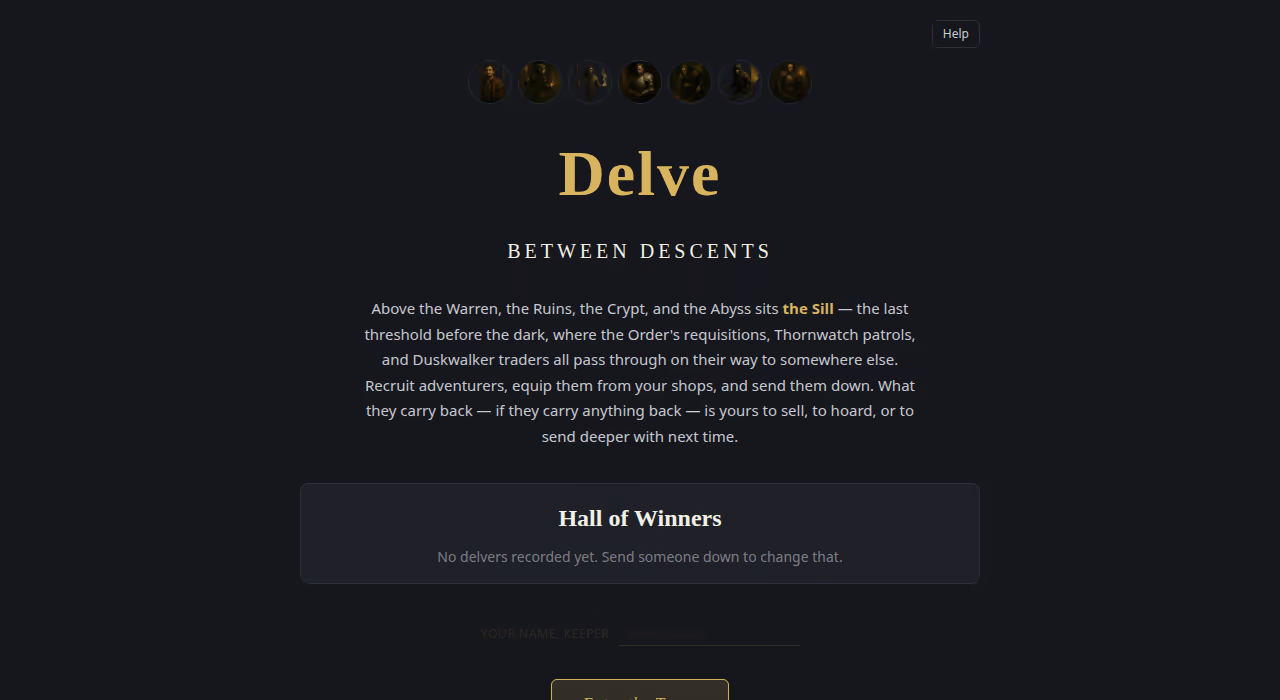
Hall of Winners
Every fallen or retired delver is recorded across runs — name, class, deepest depth, fate. A burial ceremony gives them a procedural epitaph. The Hall survives a reset.